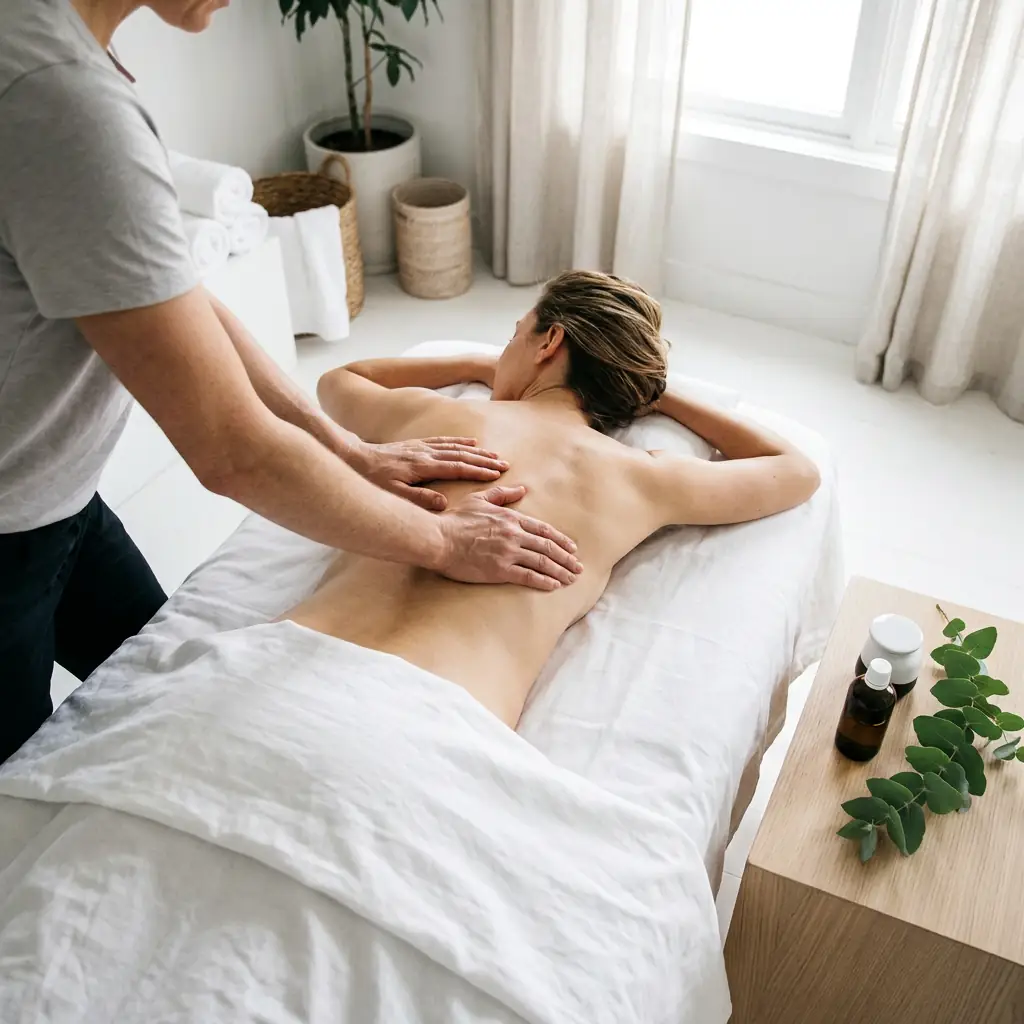
Chronic Pain · Eau Claire, WI
Massage for Chronic Pain in Eau Claire, WI
Back, Neck, Hips and Joints · 60 or 90 Minutes · Honest About What It Does
Chronic pain is pain that has lasted longer than 3 months, and it behaves differently from a fresh injury: the tissue may have healed while the nervous system stayed switched on. Massage is one of several approaches people use alongside medical care, and a 60 minute or 90 minute session with a certified therapist is a reasonable place to start — as support, not as a cure.
That framing matters, so we will be direct about it. NCCIH's review of complementary approaches for chronic pain finds massage helpful for some people with some conditions, with effects that are usually modest and short-lived rather than curative. This page covers what a session actually addresses, how often is realistic, and when to see a doctor instead.
What You Should Know
3 Months Is the Line
Pain lasting 3 months or longer is chronic. Below that it is acute, it may still be healing, and the right first call is usually a medical provider rather than a massage studio.
Book 90 Minutes First
Chronic tightness rarely sits in one place. 90 minutes covers two regions properly — a lower back and the hips that feed into it, say — where 60 covers one.
Give It 3 to 4 Sessions
One massage on a back that has hurt since spring will feel good and will not undo spring. Weekly or fortnightly for a month, then reassess honestly.
Cupping and Gua Sha Available
Both are traditional comfort practices rather than treatments, and both are add-ons inside the massage. Useful on stubborn spots; not a substitute for care.
We Will Tell You to See a Doctor
New pain, sharp pain, numbness, weakness, radiating symptoms, or pain that wakes you at night belong with a medical provider first. We would rather say so than take the booking.
Open Until 9:30 PM, 7 Days
Chronic pain does not respect office hours. Evening sessions are available every day at 2151 Eastridge Center, with free parking outside.
Who This Is For
- Lower back tightness that has been there for months
- Neck and upper trap pain that returns every week
- Hip and glute tightness from sitting or from old training loads
- People already under medical care who want support alongside it
- Anyone whose pain eases with movement and heat but keeps coming back
- People who have tried one massage and want to try it properly
| Detail | What to expect |
|---|---|
| Definition of chronic | Pain lasting 3 months or longer |
| Recommended first booking | 90 minutes |
| Follow-up cadence, first month | Weekly or every 2 weeks |
| Maintenance after that | Every 3 to 4 weeks |
| Sessions before judging results | 3 to 4 |
| Most-worked regions | Lower back, upper traps, hips, neck |
| Typical relief window reported | 2 to 10 days |
| Add-ons that suit chronic tightness | Cupping, gua sha |
| Rest after a deep session | 24 hours before hard training |
| Hours | 9:00 AM – 9:30 PM, 7 days |
| Phone | 715-256-8288 |
| First visit | $5 off, hot stone + sauna included |
What a chronic-pain session actually addresses
Most of what a massage can reach is soft tissue: muscle that has shortened and stayed short, fascia that has stopped gliding, and the guarding pattern that builds around a sore area. Those are real contributors to how bad chronic pain feels, and they respond to hands-on work.
What massage does not do is repair a disc, resolve arthritis, or switch off a sensitised nervous system. Being clear about that boundary is what lets the rest of the session be useful — you are buying relief and looser tissue, not a fix.
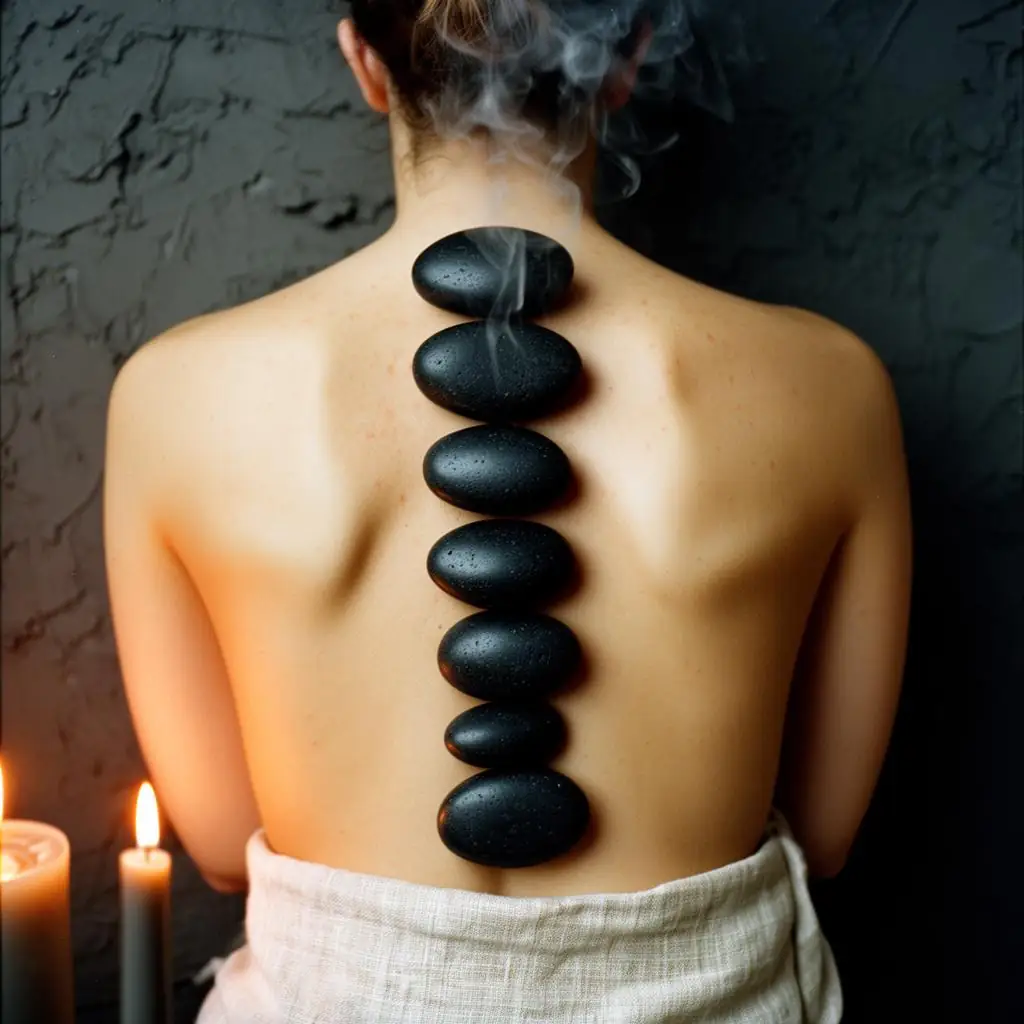
Where the tightness usually sits
Four regions account for the large majority of our chronic-pain bookings: the lumbar spine and glutes, the upper traps and levator scapulae, the hips and hip flexors, and the neck with the suboccipitals at the base of the skull.
They also feed each other. Tight hip flexors from sitting tilt the pelvis and load the lower back; a locked-up thoracic spine pushes work into the neck. That is why a 90 minute booking covering two connected regions usually does more than 60 minutes on the sorest spot alone.
How long relief tends to last
Guests typically report 2 to 10 days of noticeable easing after a session, with the range depending on how long the pattern has been in place and what they go back to doing. Someone who sits 9 hours a day will lose it faster than someone who does not.
That short window is exactly why cadence matters more than intensity. Weekly or fortnightly sessions for the first month build on each other in a way that one heroic 2-hour booking does not.
What the evidence actually supports
We would rather point you at the federal research summary than make claims of our own. NCCIH's review of complementary health approaches for chronic pain finds that massage therapy may help some people with some kinds of pain, that effect sizes are generally small to moderate, and that benefits often fade within weeks. Their low-back pain material reaches a similar place.
Read positively, that is a real finding: for ordinary muscular low-back and neck pain, massage is among the better-supported non-drug options, and it carries very little risk. Read honestly, it is not a treatment, the effect is temporary, and anyone promising otherwise is overselling.
| Claim | Do we make it? |
|---|---|
| Eases muscular tension and soreness | Yes |
| Many people report 2 to 10 days of relief | Yes |
| Low risk for generally healthy adults | Yes |
| Supports sleep and stress alongside care | Yes |
| Treats or cures a diagnosed condition | No |
| Repairs discs, joints or nerves | No |
| Replaces physical therapy or medical care | No |
| Detoxes anything | No |
When to see a doctor instead
Some presentations are not a massage problem, and a careful studio will turn the booking down. Anything new and severe, pain following a fall or accident, numbness or pins and needles, weakness in a limb, pain that radiates below the knee or into the hand, unexplained weight loss, fever, or pain that consistently wakes you at night all need a medical provider first.
The same goes for anything acute. A strain from 3 days ago needs assessment and rest, not deep pressure. Once a clinician has told you what you are dealing with, massage alongside that care is a reasonable and low-risk addition — and we will work with whatever restrictions they have given you.
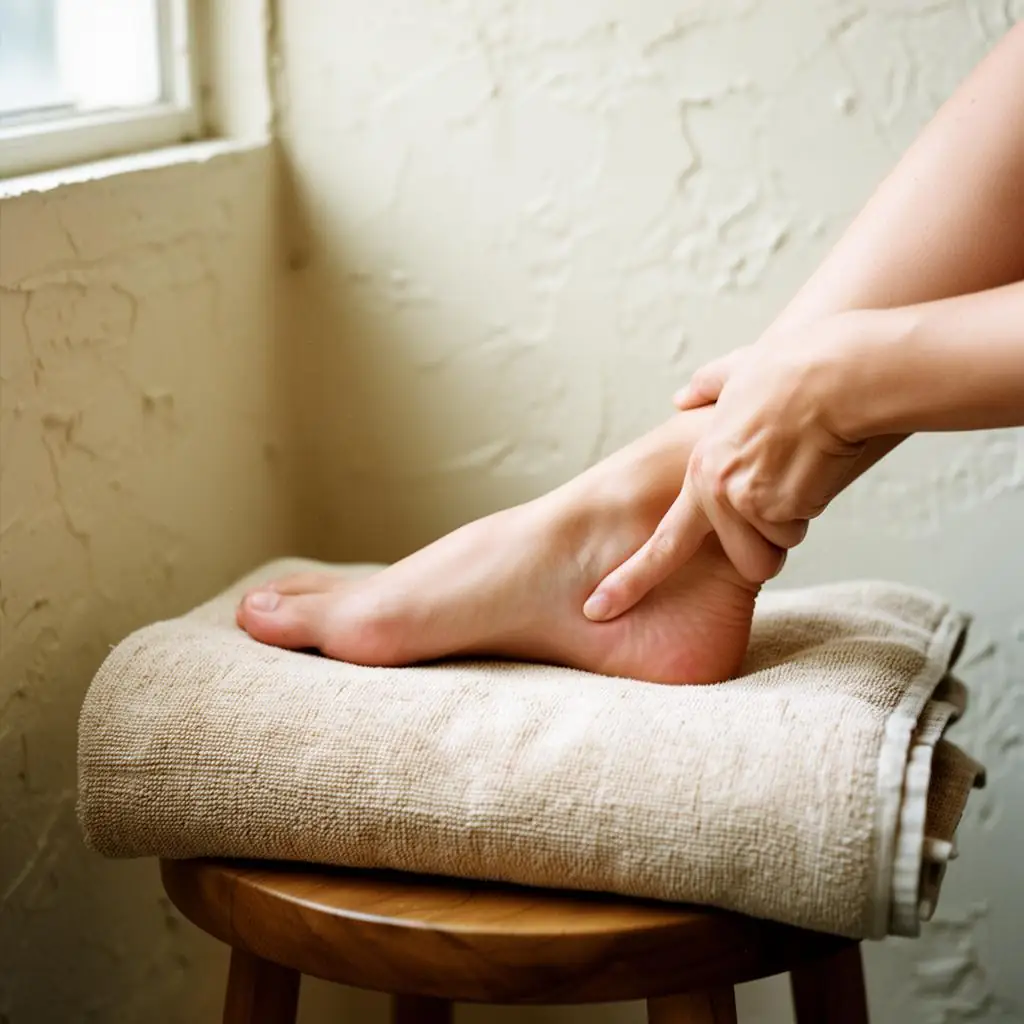
Building a plan that is worth the money
Book 90 minutes first. Come with a specific description — where it hurts, how long it has been there, what makes it better or worse, and what a clinician has already said. That conversation takes 5 minutes and changes what the next 85 are spent on.
Then commit to 3 or 4 sessions before deciding whether it is working. Weekly or every 2 weeks to start, stretching to every 3 to 4 weeks once you have a baseline. If after 4 honest attempts nothing has shifted, we will say so rather than sell you a fifth.
What to pair it with
Deep tissue is the usual starting style, and cupping or gua sha can be folded in on spots that resist hands alone. If your tightness is as much about hips and range of motion as it is about knots, futon floor-mat massage with its assisted stretching is often the better booking.
Outside the studio, the boring things carry most of the load: movement, sleep, and not sitting still for 9 hours. Our stress and sleep page covers the sleep side, and the office worker page covers the desk side.
How to Book a Massage at Q Healthy Spa
Booking takes about 2 minutes and there is no online form to fill in. Call 715-256-8288 any day between 9:00 AM and 9:30 PM, say which service and length you want, and the session is held under your first name. Walk-ins are taken when a table is free, which on weekday afternoons is most of the time.
- Call 715-256-8288. Someone answers the phone during all 12.5 open hours, 7 days a week — there is no booking app and no deposit.
- Pick a length: 60 minutes for a full body session, 90 minutes for unhurried work on the back and shoulders, or 120 minutes when you want both.
- Pick a pressure: light, medium, or firm. You can change it mid-session at any point, and saying so does not offend anyone.
- Mention add-ons at booking. Cupping and gua sha are added to a 60 or 90 minute session and need a few extra minutes set aside.
- Arrive 5 to 10 minutes early at 2151 Eastridge Center, Floor 1, Suite C. Parking is free and the entrance is on the ground floor.
- Tell the therapist what hurts and what to avoid before the session starts. This 60-second conversation is what makes the other 59 minutes useful.
- Pay by cash or card at the end. First-time visitors get $5 off, and no appointment is needed to claim it.
| Detail | Number | Notes |
|---|---|---|
| Days open per week | 7 | Including most holidays |
| Hours open per day | 12.5 | 9:00 AM to 9:30 PM |
| Last session start | 8:30 PM | For a 60 minute session |
| Session lengths | 60, 90, 120 minutes | Same 4 styles at every length |
| Massage styles | 4 | Futon, Swedish, deep tissue, therapeutic |
| Add-ons available | 2 | Cupping and gua sha, inside a 60 or 90 minute session |
| First-visit discount | $5 | Every new client, no coupon needed |
| Included at no extra charge | 2 | Hot stone therapy and sauna access |
| Google rating | 5.0 stars | 16 reviews |
| Assisted stretches in a futon session | 15 to 25 | Fully clothed, no oil |
| Cupping marks fade in | 3 to 7 days | Dry cupping only, never wet |
| Arrive before your session | 10 minutes | 5 minute intake, 3 to 5 to change |
| Drive from downtown Eau Claire | 7 minutes | 2.5 miles |
| Drive from Chippewa Falls | 15 minutes | 11 miles via Highway 124 |
| Notice for a Saturday booking | 3 to 7 days | Weekday mornings often same day |
Sources
- NCCIH — Chronic Pain and Complementary Health ApproachesReviews the evidence for massage and related approaches in chronic pain, including where results are modest.
- NCCIH — Low-Back Pain and Complementary Health ApproachesThe source for what is and is not established about massage for low-back pain.
- NCCIH — Massage Therapy: What You Need To KnowThe federal complementary-health agency's overview of what massage is and what the research does and does not support.
Frequently Asked Questions
Does massage help chronic pain?
For some people with some kinds of pain, yes — and NCCIH's review of complementary approaches for chronic pain is the source we lean on. The honest summary is that effects are generally small to moderate and often fade within weeks, which is why cadence matters. Massage is among the better-supported non-drug options for ordinary muscular back and neck pain, and it carries very little risk, but it does not treat or cure a diagnosed condition.
How many sessions before I know if it is working?
Give it 3 to 4. One session on pain that has lasted months will feel good without changing the pattern. We suggest weekly or every 2 weeks for the first month, then every 3 to 4 weeks for maintenance. If nothing has shifted after 4 honest attempts, we will tell you rather than book a fifth.
Should I book 60 or 90 minutes?
90 minutes for a first chronic-pain session. Chronic tightness rarely sits in one place — a sore lower back is usually connected to the hips, and a bad neck to the upper back — so 90 minutes lets your therapist cover two connected regions properly. 60 minutes covers one.
When should I see a doctor instead of booking a massage?
See a medical provider first for anything new and severe, pain after a fall or accident, numbness or pins and needles, weakness in a limb, pain radiating below the knee or into the hand, unexplained weight loss, fever, or pain that consistently wakes you at night. Acute injuries from the last few days need assessment and rest rather than deep pressure.
How long does relief usually last?
Guests commonly report 2 to 10 days of noticeable easing. The range depends on how long the pattern has been in place and what you go back to doing — someone sitting 9 hours a day loses it faster. That short window is why regular sessions work better than occasional intense ones.
Is deep tissue the right style for chronic pain?
It is the usual starting point, and cupping or gua sha can be added on stubborn spots. But if your problem is as much about hips and range of motion as it is about knots, our futon floor-mat massage with assisted stretching is often the better booking. Tell your therapist what makes the pain better or worse and they will pick.
Can I book massage while I am in physical therapy?
Usually yes, and many guests do. Tell us what your clinician has said, including any restrictions or areas to avoid, and we will work within them. Massage sits alongside medical care rather than in place of it, and it should never delay a diagnosis.
Do you have evening appointments?
Yes, every day. We are open 9:00 AM to 9:30 PM all 7 days at 2151 Eastridge Center, Floor 1, #C, Eau Claire, with free parking directly outside. The last 60 minute session starts at 8:30 PM. Call 715-256-8288.
Book a 90 Minute Chronic Pain Session
Come with a specific description of where it hurts and how long it has been there. Open 9:00 AM to 9:30 PM every day, $5 off your first visit. Call 715-256-8288.
Keep Reading
Every page below covers a different angle — technique, pairing, evidence, or the rest of the menu at Q Healthy Spa.